
Lately, I am seeing a lot of posts, articles and videos on how being a “Respected” leader is more important than being a “Liked” one. After enough introspection on the topic, I believe at it’s core, Leadership isn’t just about being respected or liked, it’s about influence, impact, and how people perceive and respond to you. While some leaders are respected, others are liked, a few are admired, but the truly great ones manage to balance all three and it is imperative to strive for all three if you want better teams, organisations or even society in general.
So, what does it take to be a leader who is not only respected but also liked and admired?
While thinking of someone in my fresh memory who displayed all these virtues, I thought of Ratan Tata sir instantly. Having read his biography recently by Thomas Mathew and really looking beyond the media news, I was able to understand him as a person, as a Human.
This article is a summary of lessons I’ve learned in his biography (and in some parts some of the articles available online) on what makes a great leader.
Respected: The Foundation of Leadership
Respect is earned through competence, integrity, and consistency. A respected leader is someone who:
• Leads by example – They don’t just give orders; they embody the values and work ethic they expect from their team.
• Demonstrates expertise – People trust their decisions because they have the knowledge and experience to back them up.
• Holds themselves accountable – They take responsibility for mistakes and ensure fairness in their leadership.
Without respect, a leader’s authority is weak. People may follow them out of obligation but not out of genuine belief in their leadership.

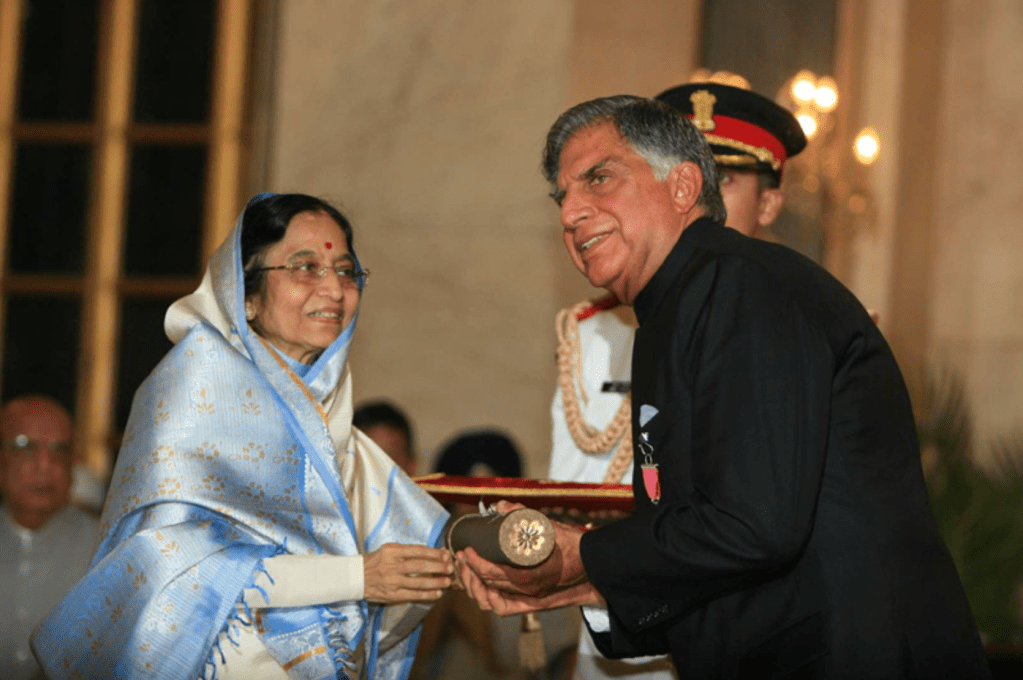
Ratan Tata was (still is) respected for his visionary approach and commitment to ethical business practices. His strategic leadership transformed the Tata Group into a global conglomerate while setting high standards in transparency and corporate governance. His consistent, principled decision-making has earned the trust of stakeholders and industry peers alike.
Liked: The Human Connection
Being liked as a leader doesn’t mean being a pushover or prioritizing popularity over purpose. It means fostering genuine relationships and a positive work environment. A likable leader:
• Listens actively – They make people feel heard and valued.
• Shows empathy – They understand their team’s challenges and support them.
• Encourages a positive culture – They create an atmosphere where people feel comfortable, motivated, and inspired.
Likability helps leaders connect with their team on a personal level, making collaboration smoother and fostering loyalty.
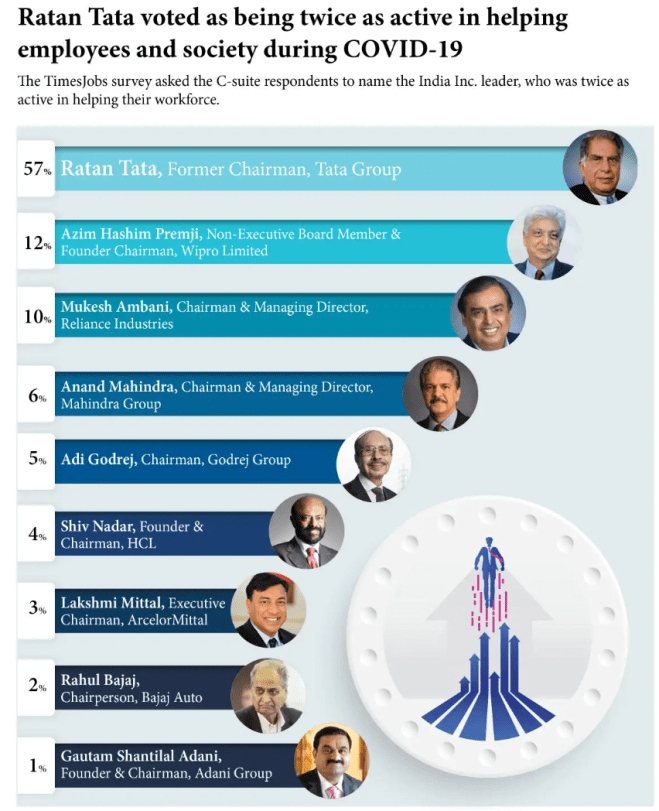
Ratan Tata consistently demonstrated humility, empathy, and integrity in his actions. He listened to others, treated everyone with respect, and placed a strong emphasis on ethical business practices. His down-to-earth nature and commitment to social causes through initiatives like Tata Trusts have helped create a genuine connection with employees, customers, and broader communities alike.
“If you want to walk fast, walk alone. But if you want to walk far, walk together.” Ratan Tata
Admired: The Mark of Inspiration
Admiration goes beyond respect and likability, it’s about inspiring people to be better. A leader who is admired:
• Has a strong vision – They articulate a compelling future and rally people toward it.
• Overcomes challenges with grace – They navigate difficulties with resilience and determination.
• Makes a lasting impact – Their leadership creates meaningful change, whether in their organisation, industry or society.
When people admire a leader, they don’t just follow orders, they believe in the mission and strive to emulate their leader’s qualities.
Striking the Right Balance
Not all leaders manage to achieve all three. Some are respected but not liked, leading to a culture of compliance rather than enthusiasm. Others are liked but not respected, which can lead to inefficiency. True leadership requires a balance, earning respect through competence, being liked through genuine connection, and inspiring admiration through vision and impact.
Start by leading with integrity, building authentic relationships, and strive to leave a lasting positive impact. Leadership isn’t about power or doing just the so called “right” things. It is about the people you influence and inspire in the process.
 Praveen's Blog